
AUTOMATION
it is a strategy for enabling growth and operational excellence.
Automation Systems
for Medical Device Manufacturing
Nissha Medical Technologies leverages automation, manufacturing intelligence, and process innovation to deliver scalable, high-quality medical device manufacturing solutions. Our in-house automation team supports every stage of the product lifecycle, helping customers achieve faster scale-up, improved quality, enhanced traceability, and long-term manufacturing performance.
- In-house automation integrated directly into manufacturing operations.
- Proven experience scaling products from development to full production.
- Real-time production visibility through OEE and digital manufacturing systems.
- Continuous improvement driven by operational data and manufacturing expertise.
- Long-term lifecycle ownership beyond initial equipment deployment.
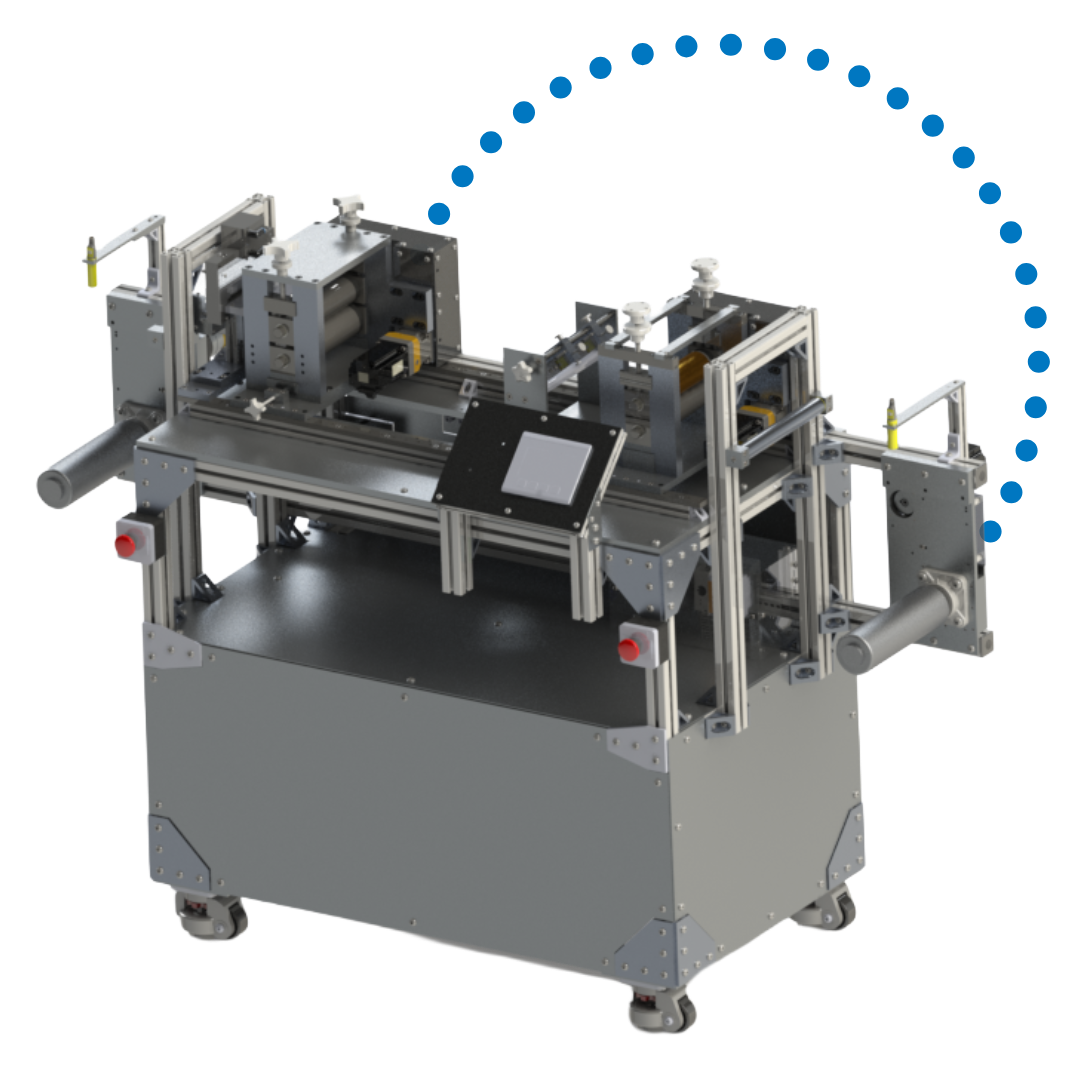
What is Automation in Medical Device Manufacturing?
Automation transforms manual, variable production steps into repeatable, measurable, and data driven manufacturing systems. Instead of relying on operator input or estimates, automated systems capture real production data in real time, improving quality, consistency, and decision making across every stage of manufacturing.
For regulated manufacturing environments, automation also supports better process control, automated reporting, and documentation practices that can strengthen device history record visibility, validation support, and compliance readiness.
| Process | Manual | Automated |
|---|---|---|
| Quality Inspection | Human visual check | Machine vision 100% inspection |
| Data Collection | Paper-based DHR | Digital, real-time, FDA-compliant |
| Output Consistency | Operator-dependent | Controlled, repeatable every cycle |
| Throughput Scaling | Add more headcount | Increase machine speed / shifts |
| Performance Insight | Feelings & estimates | OEE dashboards, live data |
Our Approach to Manufacturing Automation
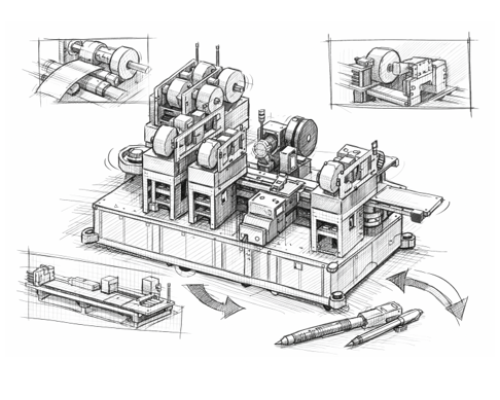
Automation Solves Manufacturing Challenges
- Production demand exceeding available capacity
- Quality variation driven by manual processes
- Traceability and compliance requirements
- Workforce capacity constraints
- Cycle time and throughput limitations
- New product introductions requiring scalable manufacturing
- Aging equipment and production infrastructure
- Limited production visibility and performance data
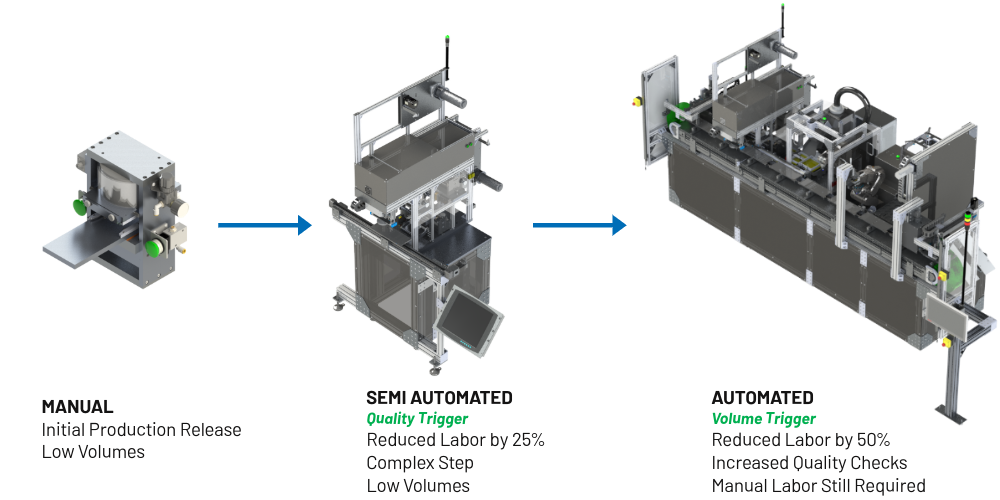
How We Transition From Manual to Automated
|
|
Evaluate
Assess product design, production volume, quality requirements, operational risks, and business objectives to determine where automation and manufacturing technologies can create the greatest value. This phase is guided by Nissha's Manufacturing Technology Assessment and Planning (MTAP) framework.
|
|
|
Define
Apply Design for Automation (DFA) and Design for Manufacturing (DFM) principles to improve product handling, repeatability, scalability, quality, and long-term manufacturing performance.
|
|
|
Plan
Develop a phased manufacturing technology roadmap with defined trigger points, production demand assumptions, budget considerations, risk mitigation strategies, and ROI expectations.
|
|
|
Build
Design, build, install, validate, and integrate automation systems, robotics, machine vision, controls, and manufacturing intelligence platforms within the production environment.
|
|
|
Stabilization / Hypercare
Support production ramp-up following Release to Manufacturing (RTM) through structured hypercare activities including OEE analysis, process optimization, operator feedback, issue resolution, validation support, and performance reviews to ensure successful adoption.
|
|
|
Monitor and Optimize
Use real-time manufacturing data, OEE dashboards, machine monitoring systems, and continuous improvement methodologies to identify opportunities, validate performance, increase capacity, and support long-term operational excellence.
|
MTAP
Nissha Medical Technologies utilizes its Manufacturing Technology Assessment and Planning (MTAP) framework to determine when, where, and how automation should be deployed throughout the product lifecycle. Rather than viewing automation as a single capital project, MTAP helps align manufacturing technologies with business objectives, quality requirements, production growth, and long-term operational performance.
Case Study: MARS
AUTOMATION SERVICES
WHAT WE DELIVER
From early product development through commercial manufacturing, Nissha Medical Technologies' in-house automation team helps customers scale production, improve quality, enhance traceability, and optimize long-term manufacturing performance. Using our Manufacturing Technology Assessment and Planning (MTAP) framework, we align automation, manufacturing intelligence, and process development with each product's lifecycle and business objectives.
 Design for Automation
(DfA)
Evaluate product feasibility for automation and apply Design for Automation (DfA) principles to improve manufacturability, repeatability, scalability, quality, and long-term production performance.
 Custom Automation Systems
Design and build custom automation systems, robotics, machine vision, controls, and automated test solutions tailored to product requirements, production goals, and regulatory expectations.
 Automation Integration
Integrate validated automation technologies into existing manufacturing environments with minimal disruption while supporting process scalability, operator adoption, compliance requirements, and production continuity.
 Lifecycle Support and Continuous Improvement
Support manufacturing systems beyond installation through startup, stabilization, hypercare, OEE analysis, optimization initiatives, and continuous improvement programs that drive long-term manufacturing performance.
 Data and Manufacturing Analytics
Implement manufacturing intelligence solutions including OEE monitoring, real-time production data collection, automated reporting, dashboards, and analytics that support data-driven decision making and continuous improvement.
 Manufacturing Transfers and Scaling
WHY IT MATTERS
Manufacturing success requires more than equipment. By combining automation, manufacturing intelligence, and continuous improvement, Nissha Medical Technologies helps customers improve quality, increase capacity, reduce operational risk, and make better decisions using real-time production data.
|
Continuous Improvement
Data-Driven Optimization
Real-time production data helps identify recurring sources of downtime, scrap, labor inefficiencies, and lost throughput. These insights allow teams to prioritize improvements based on measured performance rather than assumptions. |
|
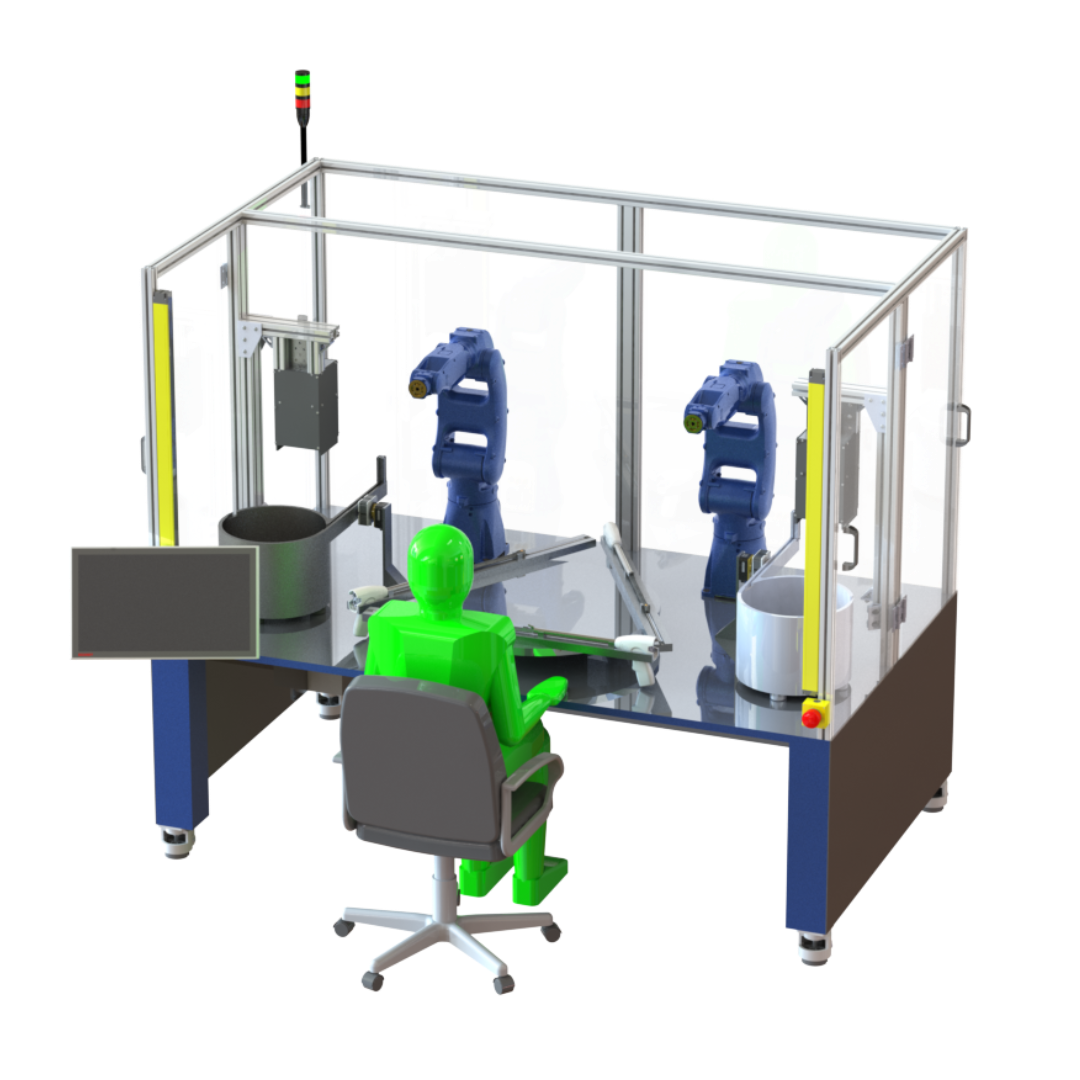
100% Inspection
Machine Vision and Automated Verification
Automated inspection technologies help verify critical-to-quality requirements, improve consistency, support traceability, and reduce dependence on manual visual inspection.
|
|
OEE and Manufacturing Intelligence
Not Estimates
Live dashboards, manufacturing analytics, and OEE monitoring systems provide production teams with real-time visibility into machine performance, quality metrics, downtime events, and continuous improvement opportunities.
|
WHAT SETS US APART
Most CDMOs outsource automation to third parties. Nissha Medical Technologies’ in-house team means faster response, deeper integration, and continuous improvement that doesn't stop at installation. Nissha Medical Technologies combines in-house automation engineering with manufacturing, quality, tooling, IT, and operations expertise. This integrated model allows automation to be designed around real production needs, supported during launch, and continuously improved after deployment.
 |
Design for Automation Starts EarlierThrough Design for Automation (DfA) and MTAP planning, we evaluate manufacturability, scalability, quality requirements, and automation feasibility early to reduce rework and improve production readiness. |
|
In-House Automation TeamUnlike many CDMOs that outsource automation, Nissha's automation engineers work directly within the manufacturing environment. This reduces handoffs, improves responsiveness, and ensures solutions are aligned with real production needs. |
|
Cross-Functional Manufacturing SupportAutomation, manufacturing, quality, validation, tooling, IT, and operations teams collaborate throughout the project lifecycle to support production readiness, compliance, and long-term success. |
|
Data-Driven Continuous ImprovementReal-time machine data, OEE dashboards, and production analytics help teams move from assumptions to evidence-based decision making while identifying opportunities for ongoing optimization. |
|
AI and Machine LearningMachine learning models applied to production data to predict quality issues before they impact output. |

Hypercare
Our Differentiator
Let's Optimize Your Process
Ready to get Started?
We can Help
Our team is standing by to help you with your next project! Contact us today!
Global Headquarters
400 Exchange Street. Buffalo, NY 14204
P: +1.800.893.6361
E: dm.info@nisshamedical.com
E: dm.orders@nisshamedical.com